
Utah Fire Recovery
Fire Damage Restoration Across Utah
Our crews restore homes statewide after structure fires, extracting suppression water before it freezes in walls and removing soot that travels through dry air and ducts.
Fire Damage Restoration Services Across Utah
Honest pricing — final quote before any work starts
Fire Damage Restoration
Utah Fire Recovery restores homes after fire and smoke events by first managing suppression water and securing the struc…
Scope depends on volume of suppres
Smoke Damage Restoration
Targeted smoke damage restoration across Utah that traces soot paths through HVAC systems and unburned rooms while addre…
Final scope depends on smoke trave
Water Damage Restoration
Suppression water from Utah fires soaks cavities and freezes fast above 4,500 feet, requiring targeted extraction before…
Scope depends on water volume, num
Soot and Residue Cleaning
Targeted soot and residue removal that identifies soot type first so stains lift instead of setting permanently.
Scope varies with the number of af
Mold Remediation
Targeted mold removal following delayed drying of fire-suppression water in Utah structures.
Scope is determined by hidden mois
Fire Damage Restoration Built for Utah Conditions
We focus on the specific challenges fire and smoke create across the state so every step of the process matches what Utah properties actually face.
-
01
Suppression Water Extraction
We pull out suppression water before winter temperatures cause it to freeze inside walls and floors.
-
02
Soot Type Identification
We determine which of the three soot types is present so the correct cleaning method is used from the start.
-
03
Inversion Odor Control
We treat smoke odors that linger when Wasatch inversions trap air across the state.
-
04
Dry Air Soot Tracking
We inspect areas beyond the fire source because Utah's dry air moves soot particles long distances.
-
05
Wildland Interface Handling
We address smoke that enters homes from wildland-urban interface fires common throughout Utah.
-
06
Statewide Response
Crews travel from the Payson base to deliver fire damage restoration services anywhere in Utah.
About Our Work
Fire Damage Restoration Across Utah
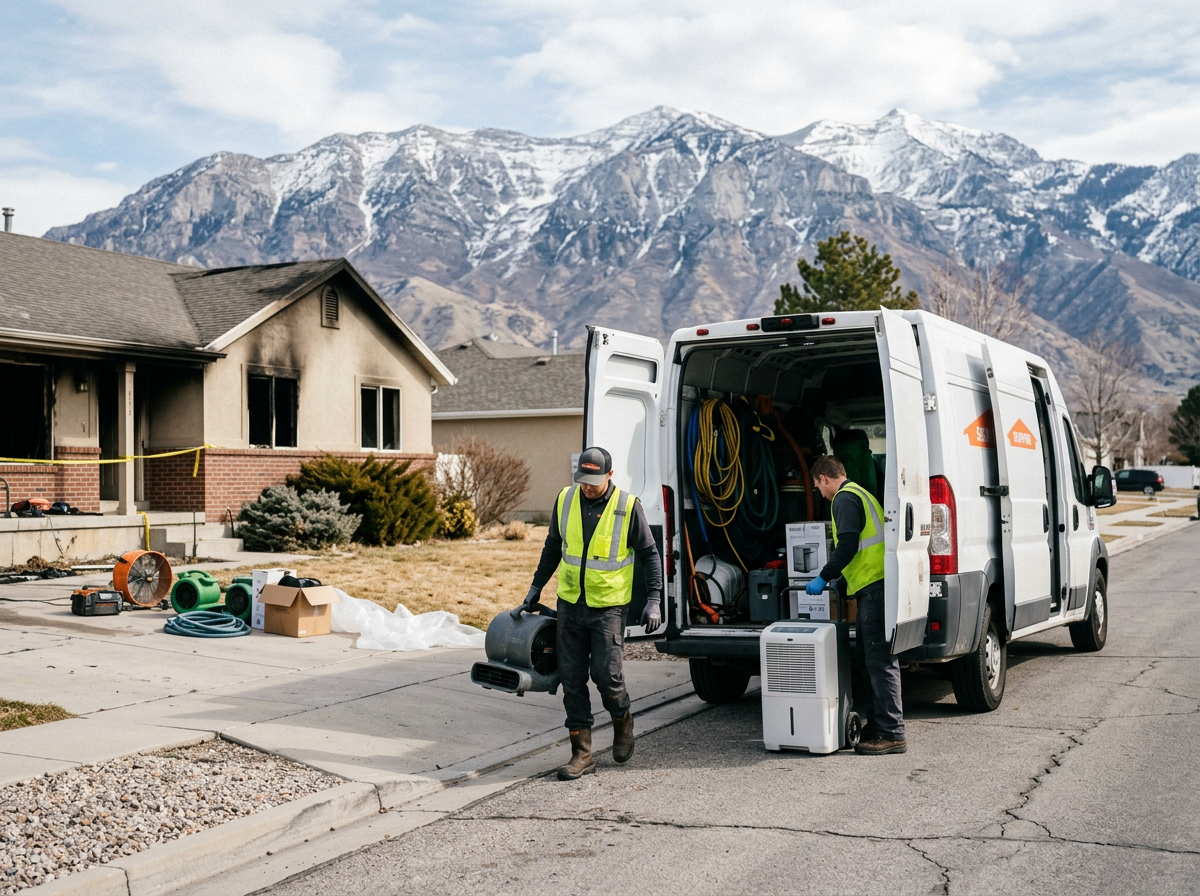
We begin every job by securing the structure so no further damage occurs, then move straight to removing suppression water that can freeze solid once winter temperatures drop above 4,500 feet. Our crews extract that water quickly to keep it from spreading into walls and floors, especially in mountain towns where cold sets in fast.
Before any surface is touched we identify the soot type on site because protein, dry and wet soot each require different cleaning chemistry and sequence. We clean in the proper order, treat trapped odours that linger under Wasatch Front inversions through winter, and finish with reconstruction that restores the home or business to its original condition.
- Water extraction timed to prevent freezing in high-elevation areas
- On-site soot identification before any cleaning begins
- Odour treatment matched to regional inversion patterns
- Full restoration from Payson to every listed Utah county
- Reconstruction that follows the same cleaning sequence statewide
What to expect, start to finish
Securing The Structure
Boarding up and securing any open areas prevents unauthorized entry and additional weather exposure after a fire across Utah.
Suppression Water Extraction And Drying
Water from firefighting efforts is removed promptly, followed by drying to limit secondary damage, especially important once winter temperatures drop and freezing risks increase in unheated spaces.
Soot Assessment And Cleaning
Technicians evaluate whether the soot is protein-based, dry, or wet because each type requires a distinct cleaning approach; using the wrong method on wet soot can set permanent stains on surfaces.
Odour Treatment
Lingering smoke odour often settles due to temperature inversions common in Utah valleys and is addressed through targeted filtration and deodorization after soot removal.
Reconstruction Where Needed
Items that cannot be restored, such as heavily contaminated HVAC components or certain porous materials, are replaced after cleaning and odour treatment are complete.
5
Specialist services
59+
Cities covered
Free
Estimates & advice
Cities we serve
Fire Damage Restoration Across Utah — Cities We Serve
Utah County · Semi-arid climate with hot summers and cold snowy winters.
Fire and Smoke Damage Restoration Tips & Guides for Utah
2026-09-14
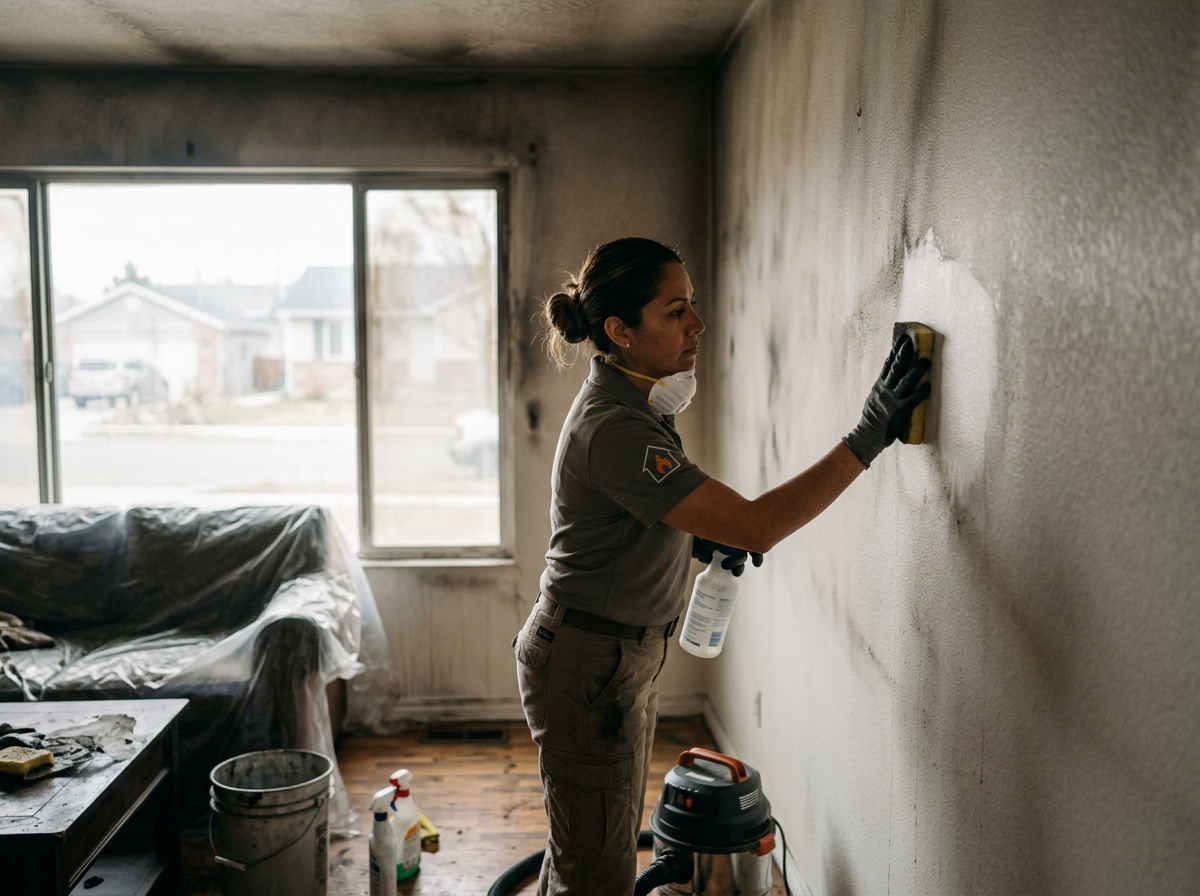
How to Remove Soot from Walls After a House Fire in Payson
Soot on walls after a Payson house fire needs cleaning matched to its type, with attention to how dry local air spreads particles and how in…
2026-09-14
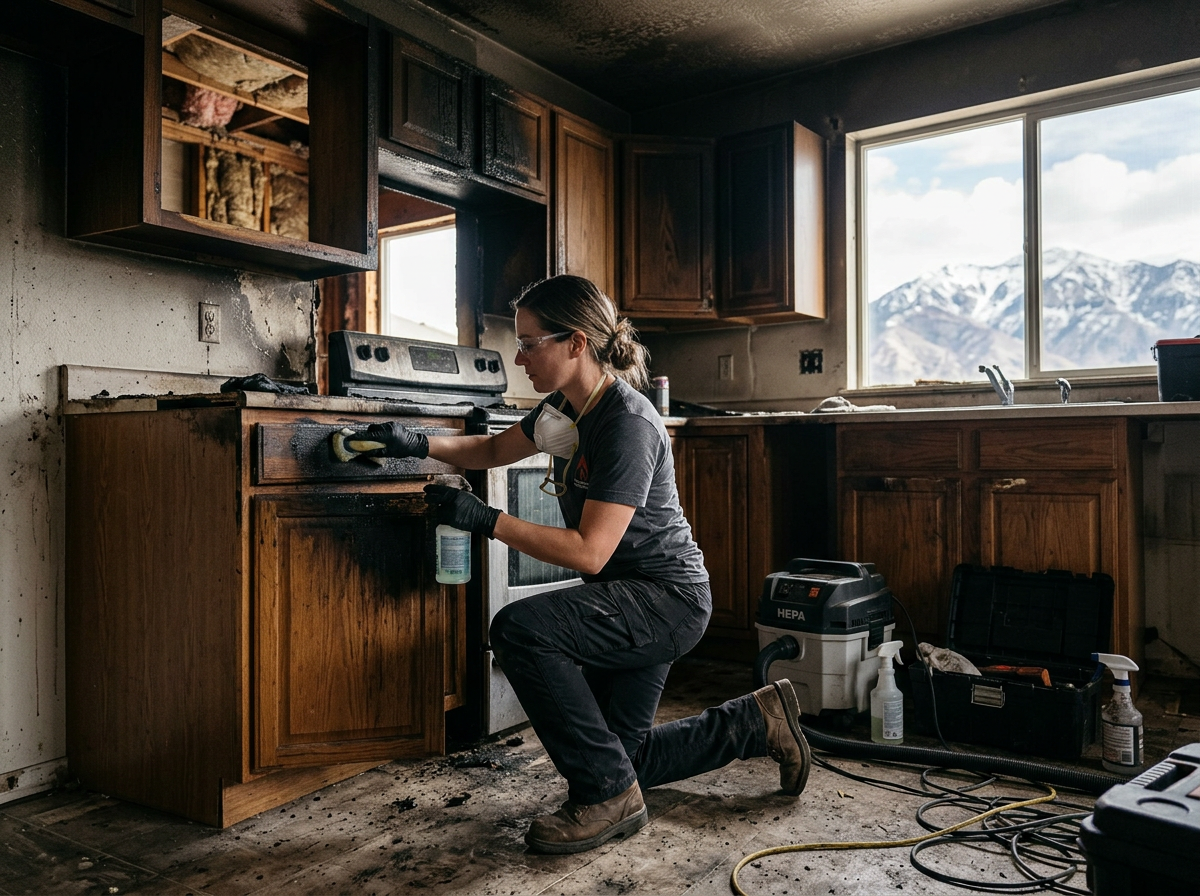
What Affects Fire Damage Restoration Timelines in Utah County
Utah County fire damage restoration timelines depend on soot variety, water behavior at elevation, and seasonal air patterns that slow dryin…
2026-09-14
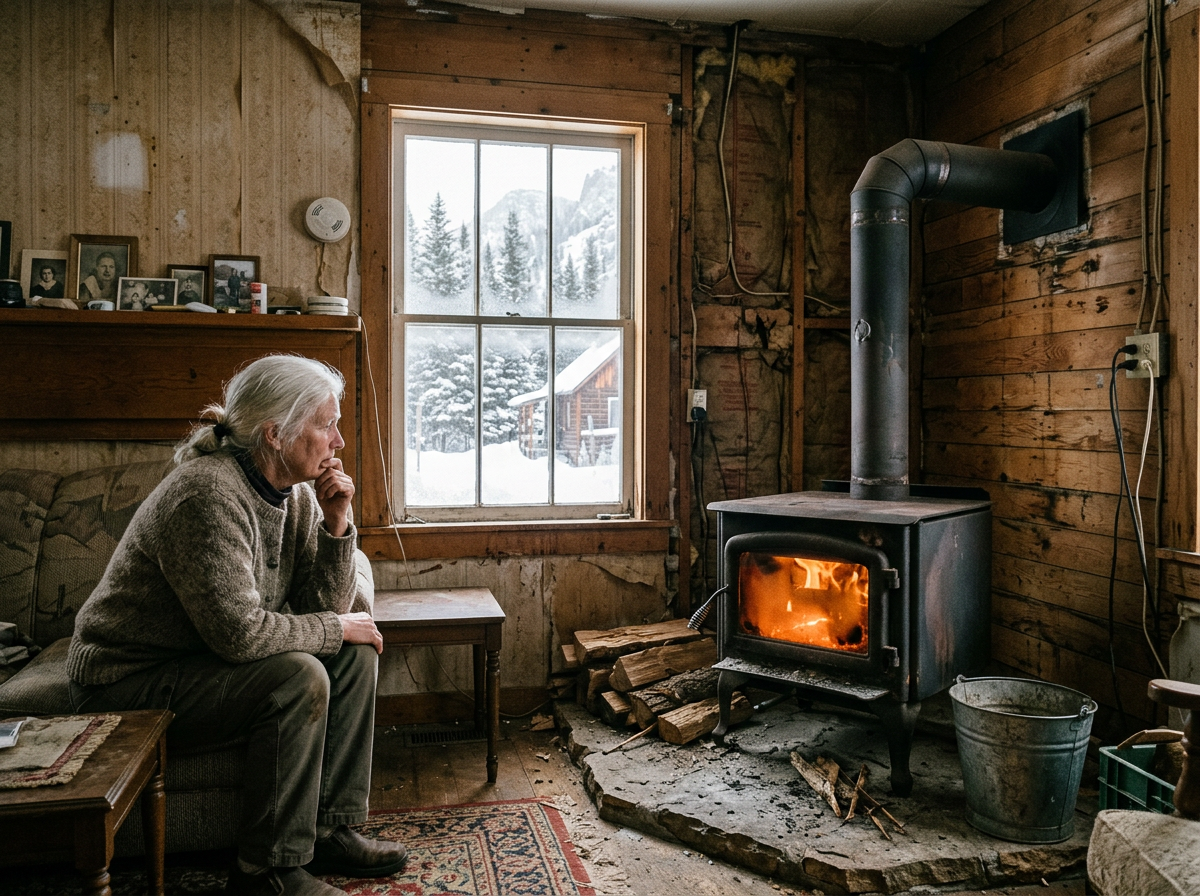
Winter Heating Fire Risks for Older Homes Near Payson Canyon
Older homes near Payson Canyon face elevated winter heating fire risks due to chimney conditions and cold-weather equipment strain. Local cl…
Good to know
Fire Damage Restoration FAQs — Utah
Still have questions? We're happy to talk it through.
(801) 310-8150