
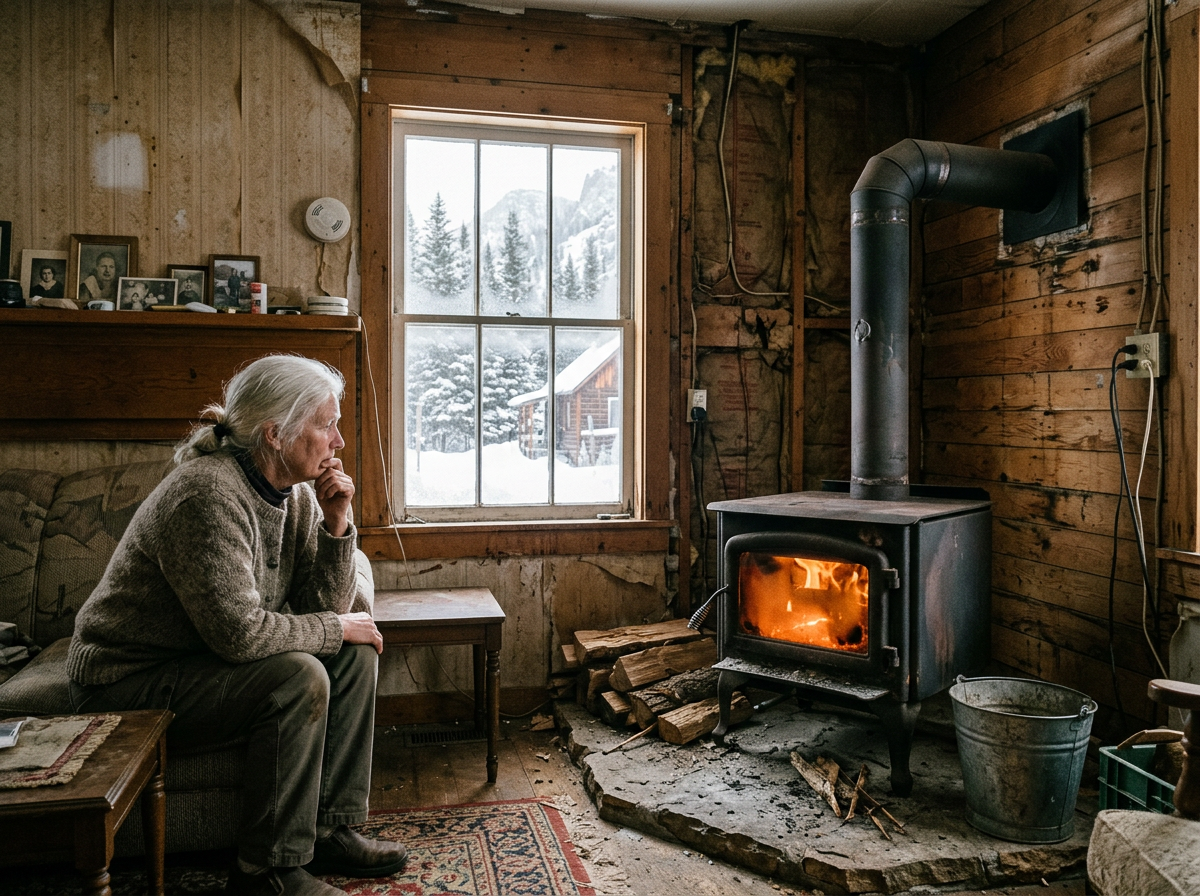
Cache Junction lies along UT-23 in northern Cache County as a compact agricultural settlement. Older farmhouses and outbuildings here sit exposed to the region's high desert conditions, where hot summers and cold winters combine with low precipitation.
Fire and smoke events in these structures often involve rapid heat loss and freezing risks once suppression water enters unheated spaces. Response teams based at 675 S 100 W #3 in Payson head north via major corridors to reach the area and begin assessment.
Work focuses on the specific construction found in this part of the north, where agricultural buildings require targeted steps to address smoke movement through open interiors and attached sheds.
Fire Damage Restoration Services in Cache Junction, UT
Fire Damage Restoration in Cache Junction
Utah Fire Recovery restores homes after fire and smoke events by first managing suppression water and securing the struc…
Details →Smoke Damage Restoration in Cache Junction
Targeted smoke damage restoration across Utah that traces soot paths through HVAC systems and unburned rooms while addre…
Details →Water Damage Restoration in Cache Junction
Suppression water from Utah fires soaks cavities and freezes fast above 4,500 feet, requiring targeted extraction before…
Details →Soot and Residue Cleaning in Cache Junction
Targeted soot and residue removal that identifies soot type first so stains lift instead of setting permanently.…
Details →Mold Remediation in Cache Junction
Targeted mold removal following delayed drying of fire-suppression water in Utah structures.…
Details →Around Cache Junction
We regularly work near:
- 📍UT-23 corridor
- 📍Cache Junction farmlands
- 📍local agricultural properties near Logan
Fire Damage Restoration in Cache Junction — Local Notes
- •Older farmhouses and outbuildings along UT-23 commonly feature unheated sections where suppression water freezes quickly during winter response.
- •Agricultural construction in the area includes open floor plans and attached storage that allow smoke to travel through hay lofts and equipment bays.
- •Access from Payson requires travel north through the Cache Valley corridor, with Logan as the nearest larger service point for staging.
- •Low precipitation and cold temperatures increase the chance that smoke residues settle into porous materials before crews arrive.