
2026-09-14 ·
Winter Heating Fire Risks for Older Homes Near Payson Canyon
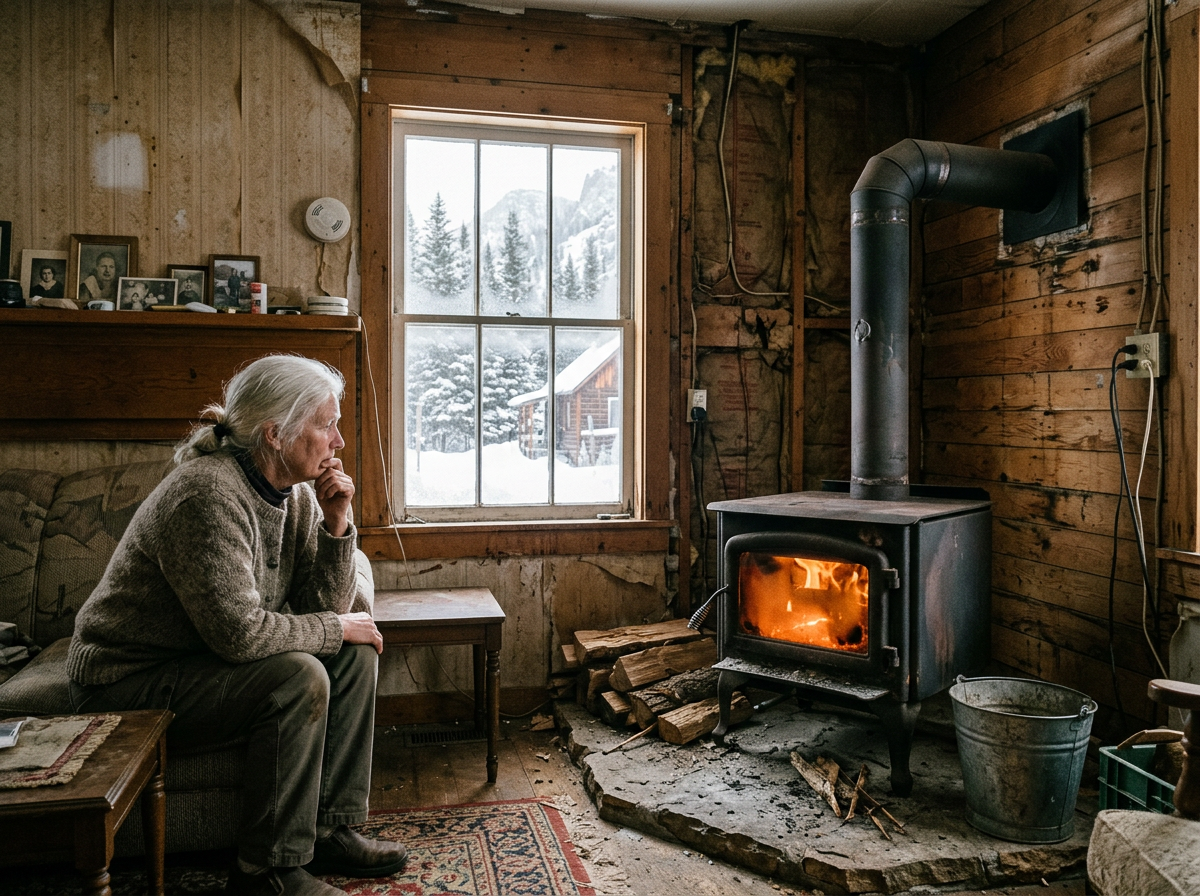
Older homes near Payson Canyon see winter heating fire risks rise most often from creosote accumulation in chimneys and overloaded electrical circuits when overnight lows fall below freezing at elevations above 4,500 feet.
Chimney and Wood-Burning Appliance Concerns
Wood stoves and fireplaces in homes built before 1980 often lack modern liners, allowing creosote to harden faster during repeated cold starts. Payson Canyon winters bring temperature swings that force frequent cycling, increasing the chance of flue blockages. Dry Utah air accelerates resin drying inside flues, turning soft deposits into hard, flammable layers within weeks. Homeowners can inspect accessible sections for shiny black buildup and schedule professional sweeps before sustained cold sets in. When soot escapes into living spaces, it requires specialized removal methods that differ for dry, wet, and protein residues. Fire damage restoration teams familiar with these residues can assess affected areas without unnecessary demolition.
Electrical System Strain in Cold Weather
Older wiring in homes near Payson Canyon struggles under added load from space heaters and heat pumps during inversion events that trap cold air for days. Aluminum branch circuits common in 1960s–1970s construction expand and contract with temperature changes, loosening connections at outlets and junction boxes. Arc faults become more likely when insulation stiffens in sub-freezing conditions. Checking panel labels for double-tapped neutrals and testing GFCI outlets in kitchens and bathrooms provides early warning. Persistent burning odors after heater use warrant immediate power isolation and professional evaluation rather than continued operation.
How Wasatch Inversion Affects Smoke Movement
The Wasatch inversion frequently settles over Utah County valleys, holding smoke and odor close to the ground for multiple days instead of allowing normal dispersion. Homes near Payson Canyon sit at the edge of this pattern, where even small heating-related smoke releases can travel through attics and wall cavities into neighboring structures. Dry air at these elevations carries fine soot particles farther than in moister climates, depositing residue on surfaces far from the source. Once settled, the particles bond quickly to porous materials, making later cleaning more involved. Smoke damage restoration addresses these widespread deposits before they set permanently.
Practical Steps Before Peak Heating Season
Schedule chimney inspections while temperatures remain above freezing to avoid ice formation inside flues. Clear at least three feet of clearance around any wood-burning appliance and verify spark screens remain intact. Test carbon monoxide detectors monthly and replace units older than seven years. Keep a written log of heater runtime and any unusual odors to share with technicians. When smoke or soot has already entered living areas, documenting the extent with dated photos supports later decisions about cleaning versus replacement of affected contents.
When Professional Assessment Becomes Necessary
Visible soot on surfaces or persistent odor after ventilation indicates the need for evaluation beyond basic cleaning. Technicians can identify whether protein, dry, or wet soot is present and select appropriate removal methods for each. Homes that have experienced even minor heating-related smoke events benefit from checking HVAC systems, since ducts can distribute particles throughout the structure. Cost factors for smoke damage cleanup in Payson Utah outlines typical variables that influence scope and timeline in this specific climate.